Car Storage vs Self Storage
Before paying for specialist car storage, most owners weigh it against three cheaper options: the garage at home, a self storage unit, or an outdoor yard. Here is what each one actually protects your car from, and what it quietly leaves out.

What a cheap alternative is really costing you
Every owner weighing car storage against self storage is really asking one question: can I get away with the cheaper option?
Here is what the cheaper option does not do. It does not hold humidity below the level where steel starts corroding. It does not stop a battery flattening and sulphating. It does not spread the load off four tyres that are slowly taking a set. It does not stop pads bonding to discs. And it does not put anybody in the building to notice when something goes wrong.
None of that is dramatic on any single day, which is exactly why it works. A car goes into self storage in October looking fine and comes out in April needing a battery, four tyres and a brake strip. The unit did its job. The job was holding a locked door shut.
Specialist car storage is not a more expensive version of self storage. It is a different service, and the comparison below shows precisely where the two separate.
Car Storage vs Self Storage, a garage and a yard
Thirteen points, four options, no marketing language. Where an entry says Owner, it means the job still needs doing and it falls to you.
| Equerry 55 | Home garage | Self storage unit | Outdoor yard | |
|---|---|---|---|---|
| Kept indoors | Yes | Yes | Yes | No |
| Humidity held near 55 percent | Yes | No | No | No |
| Winter temperature managed | Yes | No | No | No |
| Battery conditioning | Yes | Owner | No | No |
| Breathable indoor cover fitted | Yes | Owner | No | No |
| Condition photographed on arrival | Yes | No | No | No |
| Tyres supported on long stays | The Keep | No | No | No |
| Someone checks the car while you are away | Yes | No | No | No |
| Keys held away from the vehicle | Yes | n/a | Owner keeps | Varies |
| Gated, alarmed and covered by CCTV | Yes | Varies | Usually | Varies |
| Access by appointment | Yes | Anytime | Site hours | Site hours |
| Insurance position confirmed first | Yes | Owner | Owner | Owner |
| Typical monthly cost | From £250 plus VAT | No monthly fee | Varies by unit size | Usually the cheapest |
“In the beginning I looked around and could not find quite the car I dreamed of, so I decided to build it myself.”
Same reason this exists. Nowhere kept cars the way we wanted our own kept, so we built it.
Why a home garage is not Car Storage
A garage feels like the free answer. It is the most common place a valuable car quietly deteriorates.
An unheated garage tracks the outside air almost exactly. Cold and damp outside means cold and damp inside, and every temperature swing puts condensation directly onto cold metal. A concrete floor without a vapour barrier pushes moisture up through the slab all winter. That is the environment corrosion needs, and it is running twenty four hours a day from October to March.
The second problem is that a garage does nothing by itself. The conditioner, the cover, the tyre pressures, the fluid checks are all still your job, and they are the jobs that get skipped in February. A car storage facility is the difference between intending to do those things and them actually being done.
The third is that nobody is watching. A conditioner that has faulted, a fluid weep spreading across the floor or a leaking roof gutter costs very little when it is spotted in days. All three are expensive when you find them in spring.
Why a self storage unit will not protect your car
This is the comparison that matters, so it is worth being blunt about it. A self storage unit solves exactly one problem. You had a car and nowhere to put it. Now you have somewhere.
It solves nothing else. The unit is unheated and undehumidified, so the air inside it is the air outside it. There is no battery conditioning, no breathable cover, no tyre support, no condition record and no fluid check. Access runs to site hours rather than your arrangements. Above all, nobody looks at the car between your visits, so anything that goes wrong has months to get worse.
Some operators go further and require the fuel drained and the battery disconnected before a vehicle is accepted, which is worth reading in the terms before the car goes in. A drained tank on an older steel system is its own corrosion problem.
There is also the matter of who else is there. A self storage site is open to the public. Strangers move furniture past your car all day, every day, and the operator has no idea which of them is interested in it.
Self storage is a locked box you rent. Car storage is a managed environment with somebody responsible for what happens inside it. That is what separates the two, and it is why comparing the monthly figures alone tells you nothing useful.
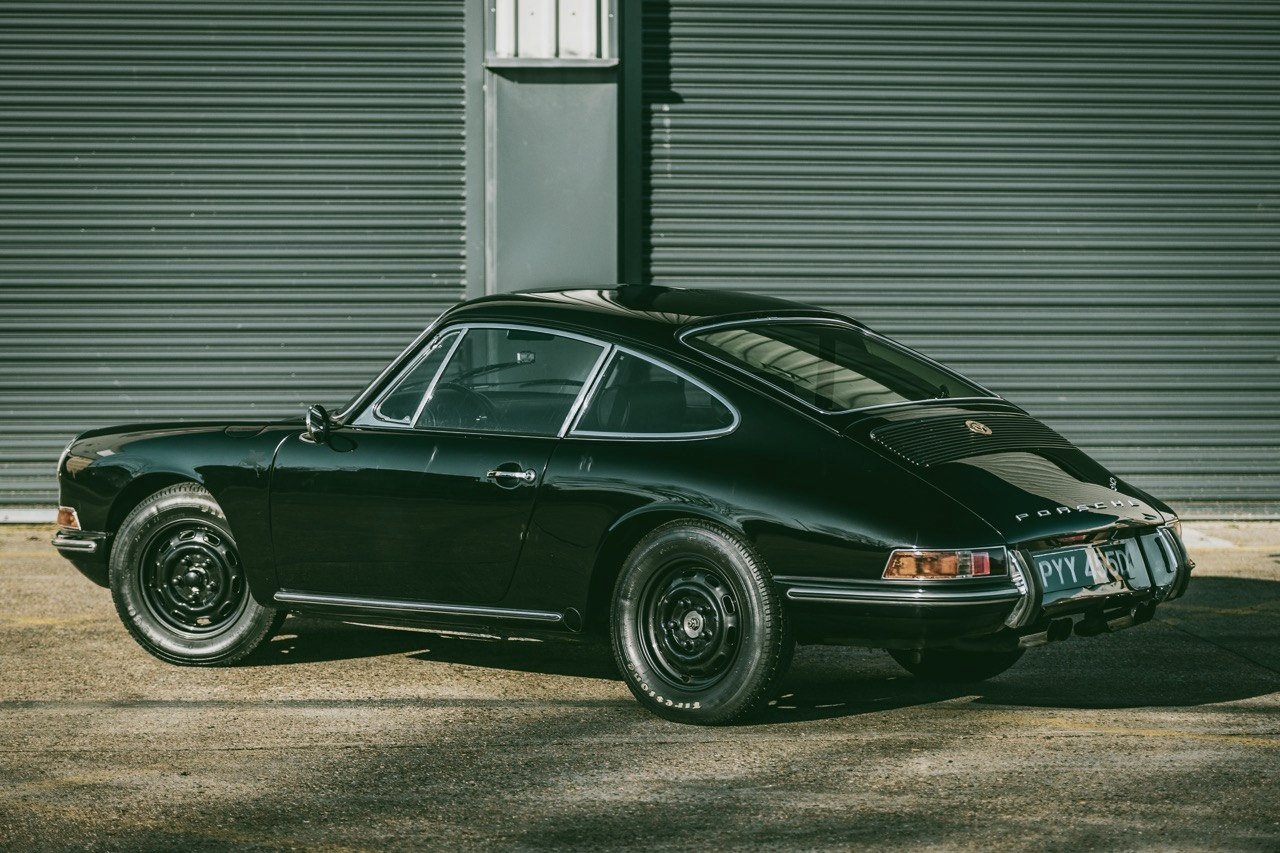
Outdoor Car Storage is not storage at all
The cheapest option on the list, and the one that protects against almost nothing.
A fence and a camera address theft. They do nothing about rain, frost, sunlight, salt residue or the daily temperature swing, and those are the things that actually degrade a car standing still. Paint and trim take ultraviolet damage. Seals harden. Water finds every drain that is even slightly blocked.
A poorly fitted or unsuitable outdoor cover can trap moisture and move against the paint, causing additional damage rather than preventing it. It is how a car comes out of a yard with fine scratching across every panel.
For a work van between jobs this is fine. For a car you would be upset to lose, it is car storage in name only.
A specialist Car Storage facility
What you are paying for is not floor space. It is a controlled environment and someone whose job it is to look after what is in it.
At Equerry 55 that means humidity held close to 55 percent, winter temperature close to 10 to 12°C, battery conditioning on every car, a breathable indoor cover, and a condition record made the day the car arrives. The site is private, gated, alarmed and covered by CCTV, keys are held away from the vehicles, and every visit is arranged in advance.
The Keep adds the things a long stay actually needs: TyreDox support, drip tray monitoring, weekly and monthly checks and a scheduled engine run to operating temperature every sixty days.
“The best Ferrari ever built is the next one.”
Fifty five percent relative humidity. Ten to twelve degrees through winter. Checked on a schedule and written down, so the next car is kept better than the last.
What goes wrong, and what it costs to put right
Corrosion
Rust needs moisture on the metal. It is slow below 50 percent relative humidity and accelerates sharply above 60. Any unmanaged space sits on the wrong side of that line all winter, and sill or chassis repair is bodyshop work, not a weekend job.
A dead battery
Self discharge and parasitic drain flatten a battery within weeks. Left flat it sulphates and permanently loses capacity, so it is a replacement rather than a recharge. On a modern car it can take the stored adaptations with it.
Flat spotted tyres
Tyres take a set where they stand. On a classic running period sizes, that can mean a full set of specialist tyres for a car that never moved.
Seized brakes
Discs surface rust within days in a damp building. Left with the handbrake on for months, pads bond to the disc and the car will not roll onto a trailer without work.
Mould in the interior
Once humidity stays high, mould grows in leather, carpet and seat foam. The smell lives in the foam and usually means stripping and replacing rather than cleaning.
The problem nobody saw
A faulted conditioner, a fluid weep, a blocked drain. Cheap to fix in days. Expensive to fix in spring. This is the difference between storage and a locked door.
Serious corrosion, damaged tyres, seized brakes or interior mould can quickly cost more than the saving made by choosing unmanaged storage. Most of them arrive together, because the same conditions cause all of them.
Moving a car into proper car storage
Tell us the car
Make, model, declared value and how long it will stand.
Get the price
A confirmed car storage price by email, with anything outside it listed separately.
See the building
Book a private viewing and compare it to wherever the car is now.
Move the car
Drive it in, or have it collected from a self storage site, a home or a garage.
Stop worrying
The car remains documented, protected and regularly checked throughout its stay.
Car Storage from £250 plus VAT
Two plans. The Stable at £250 plus VAT per month covers the full indoor car storage service. The Keep at £350 plus VAT adds TyreDox support, drip tray monitoring, weekly and monthly checks and a scheduled engine run to operating temperature every sixty days.
Both carry a three month minimum term, and there is no charge to take your own car out. Full detail of what each plan includes is on the Car Storage Prices page.
Set against a self storage unit, the gap is smaller than owners expect. Set against one corroded sill or one set of flat spotted tyres, the gap disappears entirely.

Is specialist Car Storage worth paying for?
Set against a garage that costs nothing, £250 a month is a real decision, and it is not the right one for every car.
The comparison worth making is against what goes wrong. Corrosion in a sill, a battery replaced because it sat flat for six months, four tyres flat spotted, a brake seized to a disc, mould through the seat foam. Any one of those costs more than a season of storage, and none of them announces itself while it is happening.
If the car is worth keeping, storage is not an expense against the car. It is part of owning it.
Equerry 55 also provides Car Storage Prices, Long Term Car Storage and Winter Car Storage from the same private Essex facility.
Bringing a car out of self storage
Plenty of cars arrive here straight from a self storage unit or a friend's barn, and a good number of them arrive on a trailer because they will not start.
Collection can be arranged from a self storage site, a home, a private car park, a dealer or a specialist garage. Covered transport can be booked for cars that should not be driven, whether because of value, condition or a long period off the road.
Recommissioning work, an MOT, servicing and detailing can all be arranged while the car is with us, agreed with you before anything starts.
“Small things make perfection, but perfection is no small thing.”
Batteries sulphate. Tyres flat-spot. Fluids draw water and brakes bind. None of it is dramatic and all of it is expensive.
Private Car Storage, not a public facility
One difference that does not fit neatly in a table. A self storage site is open to the public, with strangers moving furniture past your car all day. Equerry 55 is a private indoor unit on a gated estate, closed to the public, and the full address is shared only with approved clients.
Visits, access and car movements are all controlled, which keeps the site quiet and keeps what is inside it private.
Car storage across Essex, London and the UK
Equerry 55 runs one facility. Every area below is served from that same private Essex site, with collection and delivery arranged where it is needed.
Car Storage vs Self Storage FAQs
Is car storage better than a self storage unit?
Yes, and not marginally. In the car storage vs self storage comparison a self storage unit gives you a locked space and nothing else. No humidity control, no temperature management, no battery conditioning, no cover, no condition record and nobody looking at the car between your visits.
Can you keep a car in a self storage unit?
Many operators allow self storage for cars, subject to their terms. The unit is unheated, undehumidified and open only within site hours, and some require the fuel drained and the battery disconnected. It solves the space problem and none of the preservation problems.
Is a home garage good enough for car storage?
Not for a car that will stand. An unheated garage tracks the outside air, holds damp against the vehicle all winter and does nothing about the battery, the tyres or the brakes. It is where most stored cars quietly deteriorate.
Why does humidity matter more than temperature?
Corrosion needs moisture on the metal. Below roughly 40 to 50 percent relative humidity it is very slow, and it accelerates sharply above 60 percent. Temperature matters mainly because of what it does to humidity and condensation.
Is specialist car storage worth the money?
For any car worth keeping, yes. Corrosion, a flat battery, flat spotted tyres, a seized brake and mould in the interior are all products of an unmanaged space, and any single one of them costs more to put right than a full season of car storage.
Is outdoor car storage ever a good idea?
Only for a vehicle whose condition does not matter. A fence and a camera address theft. The car is still exposed to rain, frost, sunlight, salt residue and daily temperature swings, which are the things that actually damage a stored car.
Do I need to insure a car in storage?
At Equerry 55 the owner keeps full insurance on the vehicle for the entire storage term. Wherever a car is stored, leaving it uninsured means carrying the risk of fire, theft and damage yourself.
How much does car storage cost compared to self storage?
Car storage at Equerry 55 starts at £250 plus VAT per month. Self storage varies with unit size. Comparing the two figures alone is misleading, because car storage vs self storage is a comparison between a managed environment and an empty room.
Can I move a car from self storage to Equerry 55?
Yes, and a good number of cars arrive that way. Collection can be arranged from a self storage site, a home, a private car park, a dealer or a specialist garage, quoted separately. Covered transport is available for cars that will not start.
Stop paying for a locked door.
Tell us the car, where it is kept now and how long it will stand. You get a confirmed car storage price by email.
Collection can be arranged from a self storage site, a home, a private car park or a garage.